Cervical Spondylosis Treatment in Gurgaon
Cervical spondylosis treatment in Gurgaon should always start with a proper assessment — not a generic printout of exercises. At Gold Medal Physiotherapy, we work through three clear phases: settling the irritation first, then rebuilding movement and strength, and finally making sure it all holds up long-term. That’s how neck stiffness, headaches, and arm tingling actually get better — and stay that way.
If any of this sounds familiar — a neck that feels like it’s made of concrete in the morning, a headache that seems to start somewhere at the back of your head, or that odd pins-and-needles feeling creeping down your arm — you’ve probably already tried a few things. A hot water bag. A stretch from YouTube. Maybe a painkiller from the chemist. It helps for a bit, then a day or two later, the stiffness is back.
That frustrating loop is what living with cervical spondylosis actually feels like. It’s one of the most common things we see at our Gurgaon clinic, and most patients come in having put up with it for months, quietly hoping it would sort itself out.
It rarely does. The good news is it’s very treatable — and for the vast majority of people, that doesn’t mean surgery, injections, or weeks away from work. Here’s a breakdown of what’s actually going on, why it happens, and how we approach cervical spondylosis physiotherapy at Gold Medal Physiotherapy.
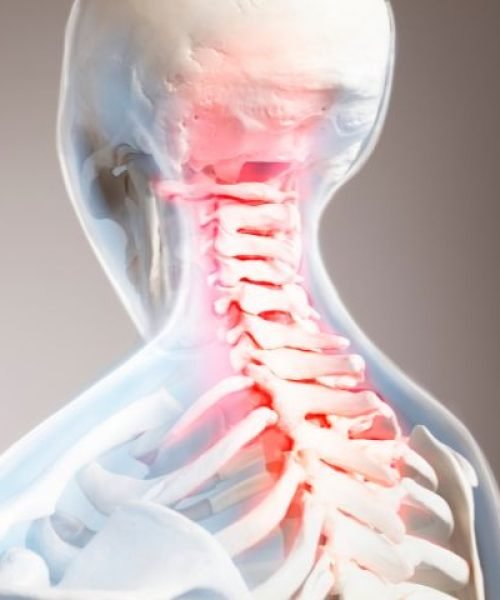
What Is Cervical Spondylosis?
Cervical spondylosis is essentially wear and tear in the neck. Over time, the discs between your vertebrae lose some of their cushioning, small bony growths can develop, and the joints that used to move smoothly start to feel stiff and sore. Think of it the same way you’d think about what happens to a knee or a hip as you get older — the neck just tends to be less talked about.
Here’s something that surprises a lot of patients: it’s incredibly common. Most people over 40 show signs of it on a scan, even if they’ve never had a day of neck pain in their life. So if you’ve been handed an X-ray report that sounds alarming, take a breath. A scan showing wear doesn’t automatically mean you’re in pain — and pain doesn’t always match how the scan looks. The two don’t always line up.
Symptoms to Watch For
Cervical spondylosis symptoms can show up differently depending on the person, but these are the ones we hear about most:
- Neck stiffness, worst in the mornings or after sitting at a desk for hours
- A nagging ache at the back of the neck that drifts into the shoulders
- Headaches that seem to originate at the base of the skull
- Tingling, numbness, or a weak feeling in the arm or hand
- A clicking or grinding sensation when you turn your head
- Difficulty turning your neck fully — that moment when checking your blind spot becomes an effort
If tingling or weakness is spreading into your hand, or you’ve started dropping things without meaning to, don’t wait. Get that assessed sooner rather than later.
What Causes Cervical Spondylosis?
Cervical spondylosis causes are rarely just one thing. Age is the biggest driver, but it almost never acts alone. In our Gurgaon clinic, we consistently see it layering on top of habits and lifestyle factors like:
- Long hours at a desk or laptop, usually with the neck jutting forward toward the screen
- Poor posture, especially the classic “tech neck” from spending hours looking down at a phone
- Old neck injuries — whiplash that was never properly rehabilitated has a habit of catching up with people
- Weak neck and upper back muscles, which force the joints to compensate and take on more load than they should
- Genetics — some people are simply more prone to early disc and joint wear
- Chronic stress, which keeps muscles around the neck and shoulders in a constant low-level tension
Gurgaon’s work environment genuinely contributes to this. A significant portion of our patients are in IT, consulting, or corporate roles where they’re sitting at a screen for eight or ten hours with barely a break. Sustained posture plus low movement is almost a guaranteed setup for cervical spondylosis symptoms to appear earlier than they’d otherwise might.
How We Assess and Treat It
We don’t hand anyone a set of exercises before we know what’s actually going on. The assessment comes first — posture, strength in the neck and shoulders, joint mobility, and whether anything is radiating into the arm. That last point matters a lot, because nerve involvement changes the treatment plan significantly.
Once we have a clear picture, treatment usually moves through three phases.
Phase 1 — Calming Irritation
The first priority is getting you out of pain enough to actually move without bracing. We use manual therapy, targeted mobility work, and exercises chosen specifically not to make things worse. This isn’t a “push through it” phase — going too hard too early tends to backfire, and we’ve seen that enough times to know it.
Phase 2 — Restoring Movement and Strength
Once the irritation settles down, we shift gears. This is where cervical spondylosis exercises get more structured — progressive work on the deep neck muscles and the muscles around the shoulder blades, which are often what was weak or underworking in the first place. Rebuilding that strength is what actually creates lasting change.
Phase 3 — Making It Stick
This is the phase a lot of clinics skip, and it’s usually why people relapse. We focus on posture in real-life situations — at your desk, in the car, on your phone — and build a home routine you can keep up independently. The goal is to leave our clinic needing us less, not more.
Recovery Timeline — What to Expect
Most people start noticing a real difference in pain and stiffness within two to four weeks of consistent treatment. Full recovery — proper strength, full movement, better posture habits — typically takes somewhere between six and twelve weeks. It depends on how long you’ve had symptoms and how complex things are.
Cases involving nerve irritation can take a little longer. But the single biggest predictor of how quickly someone recovers isn’t their age or their scan — it’s whether they do their home exercises between sessions. The patients who stay consistent get better faster. Every time.
Do You Need Surgery?
Almost certainly not. Surgery for cervical spondylosis is reserved for serious cases — significant nerve compression, progressive weakness, or spinal cord involvement. And even then, it’s typically only on the table after conservative treatment has been given a proper chance and hasn’t worked.
That said, if you’re experiencing worsening weakness in your arm or hand, losing coordination, or noticing any changes to bladder or bowel function, don’t delay — see a specialist. Those are genuine red flags. But for the vast majority of people walking through our door, structured cervical spondylosis physiotherapy is the most effective neck pain treatment in Gurgaon, and it works well.
Getting Started
Cervical spondylosis doesn’t get better on its own, but it also doesn’t have to run your life. If neck stiffness, headaches, or arm tingling have been bothering you for weeks or months, an assessment-led cervical spondylosis treatment in Gurgaon can help you figure out exactly what’s going on — and put a plan in place to fix it. Book a consultation with Gold Medal Physiotherapy and let’s take it from there.
Cervical Spondylosis Treatment: Expert Answers to Common Questions
-
Is cervical spondylosis curable?
The underlying wear and tear isn't reversible, but the symptoms absolutely can be managed — most people get back to pain-free daily life through cervical spondylosis physiotherapy, strengthening, and posture work.
-
What is the latest treatment for cervical spondylosis?
Current best practice is active, assessment-led cervical spondylosis physiotherapy — manual therapy, progressive strengthening, and real-world posture retraining — rather than rest and painkillers alone.
-
What is the best treatment for cervical spondylosis?
For most people, a structured three-phase cervical spondylosis physiotherapy program — calming irritation, rebuilding strength and mobility, then maintaining it — gives the most lasting results.
-
How long does cervical spondylosis treatment take?
Most people feel noticeably better within two to four weeks, with full recovery typically taking six to twelve weeks depending on severity and whether nerves are involved.
-
Does stress make cervical spondylosis worse?
Yes — stress keeps the muscles around the neck and shoulders tense, which can flare up cervical spondylosis symptoms even when nothing about the underlying wear has changed.